Your Guide

Mose Hayward
Train Geek
We’ve been travelling all around Europe by train for two decades now, and we’ve got more than a few dos and don’ts to have a cheap, comfortable, and lovely time rolling across the continent.
We’ll go through how to best book train tickets from outside (or inside) Europe, what to take on board, and how best to enjoy it all.
- How Do I Book European Train Tickets?
- Are European Rail Passes Worth It?
- How Do I Get the Cheapest Train Tickets for Europe?
- What to Pack for Train Travel in Europe
- Trains+City Bikes in Europe: An Ultra-Efficient Travel Combo
- Are European Trains Safe?
- Should You Book Your Hotel/Hostel/Apartment Near Train Stations?
- Ensure Medical Coverage Everywhere
- European Train Travel — Languages and Phrases to Know
How Do I Book European Train Tickets?
Our Favorite Train Booking Platform
The most convenient way to book train tickets in Europe is Trainline, as it directly accesses and offers the prices that the competing European train operators themselves sell. And it can even, in certain cross-border trips, be cheaper, as it finds smarter routes than they do and compares private operators that the national train websites won’t show you.
We’ve thoroughly analyzed the various booking portals, and to date Trainline remains the most hassle-free way to book European train tickets for most of the Western half of the continent. And the big savings comes for complex and international trips, when its clever routing engine often finds us even find better and cheaper routes than the official channels. The downside is that it charges a small booking fee of a couple of percent in the last stage of the booking process.
That said you certainly can book directly with national operators and you’ll sometimes save slightly on the booking fee. For example France’s SNCF Connect website allows you to buy directly from the national operator, SNCF. However that site will not show you potentially cheaper routes for some cities from competing services in France run by Trenitalia and Renfe. Also, just generally, the SNCF site can give you all sorts of problems, especially in the payment process.
For travelling between countries in Eastern Europe, Trainline usually doesn’t work. You’re often better off just purchasing at the last minute in the train station directly (or in the case of truly terrible train systems like in Serbia, just go for a bus ticket).
For the Western and Central European countries it does cover, we prefer Trainline over national train operator websites because, on top of the smarter routing, it has a smoother and more functional website with comprehensible English that is built to accept non-European credit card numbers and addresses. There are a few other so-so to good portals that are decent (like Rail Europe and Omio) but they tack on larger fees or have less complete coverage. Trainline is also better at ensuring that you get any age-related (senior, youth) discounts.
Trainline tickets are e-tickets and you’ll show them from a printout or your phone to ticket inspectors.
See below for specifics on how to compare national and private train operators for each European country; you can also check out our full article on hacks for European train tickets by country.
| Country | Best Strategy | Train Operators | Other Notes / Hacks |
|---|---|---|---|
 Portugal Train Booking | Comboios de Portugal runs all trains in Portugal and it is cheapest to book directly through them. The website and app work fine in English. | Comboios de Portugal is the state train operator running a few different types of services. Alfa Pendular: The classy, higher-speed long-distance service, with WiFi and better handicapped access; a bar car; first and second classes; power sockets in all seats Intercidades (Intercity): The regular-speed long-distance service, often with some graffiti and visible wear on the outside but generally quite clean and comfortable on the inside; a bar car; first and second classes; power sockets in some seats Regional and InterRegional: Serving more in-between and smaller destinations; map here Urbano: Local trains serving the Lisbon, Coimbra, and Porto areas; no assigned seats | Buy your long-distance tickets about 30 days in advance. It's possible to get tickets up to 60 days ahead of your trip but many tickets (even those that appear in Comboios de Portugal's own search listings) are not actually available until about 30 days prior to the trip. This is when you're most likely to get sale tickets and have them actually be available for purchase. Be a bit flexible with traveling at unpopular times for the very best deals—check the pricing for various times and days when booking and look for sale pricing ("promoção"). Urbano (local) train trips are visible in the Comboios de Portugal website but their tickets are not sold online; you instead buy a €0.50 card from ticket machines or station ticket windows and load the card with your ticket. Each card is reusable within its own region only (Lisbon, Coimbra, or Porto). It is also possible to book through Omio if you have problems with the Comboios de Portugal site, usually with a small booking fee. It also shows flight and bus options alongside the trains. Portugal/Spain connections: While supposedly in the works, there are almost no train services between Portugal and Spain; check BusBud for buses and Skyscanner for flights from Portugal to Spain. An exception is the train line connecting Porto and Vigo. On the Comboios de Portugal site, even if you're using English version, you need to use Portuguese place names (like "Lisboa" instead of "Lisbon"). |
 France Train Booking | 1. Trainline is the only way to compare prices on all of the train operators within French borders and to get optimal routes combining them. It was the smartest overall French train booking site in our testing and, thus, the best way to discover the cheapest dates for travel. 2. That said, most trains are SNCF. You may want to check or book SNCF directly for their trains at SNCF Connect. Doing so avoids a few-percent Trainline booking fee. Yes, it is tricky and tedious to use SNCF Connect for those outside of France—and French people complain about it endlessly too. It shows both SNCF and Ouigo options, but downplays Renfe and Trenitalia options. 3. There are a number of other platforms that also offer train tickets for France but that are less complete or trickier to use: Rail Europe (still pretty good but doesn't have Ouigo trains) and Omio (but see why they're not recommended for trains). 4. Byway is an interesting option for European and French trips if you want to have experts figure your whole train vacation itinerary out for you. | SNCF (Société nationale des chemins de fer français — French national railway company) is the main national train operator in France. Ouigo is the French budget high-speed option and is run by the SNCF. Spain's Renfe and Italy's Trenitalia also cover parts of France (such as crossing over from Barcelona); the SNCF site tends to hide these options (but Trainline shows them). | Book in advance, but not more than four months in advance (when tickets tend to go on sale). Pay attention to the luggage restrictions when booking Ouigo tickets to avoid the last-minute fines at boarding (enforced!). Harness the flexible dates feature in Trainline to see if traveling a day earlier or later will save money. These simple strategies will get you 95% of the available discounts, but you can check for a few more tips for cheap French train tickets. |
 Germany Train Booking | 1. Trainline is the best and only way to compare the competing operators (i.e., Deutsche Bahn and FlixTrain) for prices on a specific trip in Germany. For trips that cross out of Germany, Trainline is also excellent for combining different countries' operators into time- and price-optimized trips. 2. The official Deutsche Bahn site is also excellent for booking and may save you on a booking fee if you know you don't want a competing service. 3. For trips between Germany and Denmark and Sweden, check Omio for all options, or search individually on the operators Snälltåget and SJ. 4. For the overnight trains running between Berlin or Dresden and the Netherlands or Belgium, it's easier to book directly with European Sleeper. | Deutsche Bahn is the main national operator in Germany and the one you'll take for most trips. FlixTrain is a competing train service in Germany with more limited routes and no high-speed trains, but it is quite cheap and worth using if relevant for your trip; this is a FlixTrain/FlixBus Europe/global website (or the USA version). European Sleeper runs overnight trains that stop in Germany in Bad Schandau, Dresden, and Berlin to take you to/from the Netherlands and Belgium three nights per week. If you're willing to get up early, the same trains can also be a cheap way to get from these German cities to Czechia. (While Trainline also offers European Sleeper tickets, the various overnight seat/couchette options are easier to understand when booking directly at this link.) This train startup company is running throwback vintage train carriages with both private and shared sleeper car options; it's a classic, social overnight European train experience brought back to life. Neighboring countries' national operators also run routes crossing in and out of Germany. | There are generally significant savings on long-distance Deutsche Bahn trains when booking months in advance. Generally, you choose whether or not to have a reserved seat on Deutsche Bahn train. We recommend doing so for long-distance trips as you may otherwise end up standing for quite a while if you can't find a free seat. Bahncards can be purchased to get discounts and may be worthwhile if you have frequent trips in Germany. European Sleeper sometimes has "last-minute" deals on bookings a few weeks ahead. |
  Spain (and Catalonia, visca!) Train Booking | 1. There are four competing high speed train services in Spain; the way to instantly compare prices of all four for any trip is Trainline. Since all four services are good we tend to just choose the cheapest. 2. Also use Trainline for booking between Spain/Catalonia and France; it is the only site that reliably shows all options (the national operators tend to hide each other's). 3. For travel to a few out-of-the-way rural spots, you may need to book directly via Renfe, where the national operator is the only option and for which tickets are sometimes not sold via Trainline. The Renfe website is functional, though it has many problems. If you can't get it to work just buy tickets for such areas just before travel in the station. 4. Portugal is not well-connected to Spain by train (yet). For bus options, check BusBud. | The national operator Renfe runs the most services. The high-speed Renfe services are Ave, Alvia, and Avant; The Renfe budget high-speed train service is Avlo, which runs from Madrid to Barcelona and Valencia. Iryo is a competing high-speed train service that I find quite comfortable as well, running from Madrid to many cities both East and South. Ouigo is the budget high-speed train service from the French SNCF that runs from Madrid to Barcelona and Valencia (The Spain Ouigo does not connect to the French Ouigo train network — yet.) | If you're taking any of the budget trains (Avlo, Ouigo, or Iryo) pay attention to luggage restrictions; most tickets include only a carry-on-sized suitcase/bag and a personal item, with the option to add a large suitcase for a fee. For better prices on popular routes, it’s best to book a few months in advance. For some less-popular routes on Renfe, you may need to wait until just a few weeks before travel for the seats to become available for booking. For local trains, there is no need to book in advance and often it is not possible. You can purchase the tickets at the moment of travel in the station. Omio is not a great platform for booking trains but it is a way to instantly compare train and flight options for Spain; in certain cases a budget flight might be reasonable to cross the country, get to Spanish islands, or go to Portugal. Rail Europe is another booking platform but its coverage was not as complete as Trainline for Spain in our extensive testing. |
 Sweden Train Booking | Omio offers tickets from all operators in Sweden ( SJ / Øresundståg, VR, and Snälltaget) and is the easiest way to compare the real-time prices for any route and buy tickets. | The Swedish national train operator is SJ and booking is also possible (though sometimes there are issues) at the English version of SJ.se. You'll need to know the Swedish place names. SJ runs the X2000 high-speed trains. The Finnish company VR (previously MTRX) runs trains from Stockholm to Gothenburg serving points in between. The open-access company Snälltåget runs trains between cities and to popular spots up north in Sweden as well as to Denmark, Germany, and Austria (particularly interesting for overnight travel to Hamburg, Berlin, and from there you can go to the rest of Europe). | The tickets from Omio are the same price as buying with an operator directly but there may be a small booking fee added at the end of the process. Omio may sometimes miss some options but works pretty well for Sweden. If you're looking to get an overnight train heading South, do check the Snälltaget options specifically on their site. The competing FlixTrain previously ran in Sweden as well but its operations there were discontinued in 2024. FlixTrain still runs in Germany. |
 Italy Train Booking | 1. The easiest way to compare all competing Italian train services is with Trainline; it shows which is cheapest on which date. It also gives you options for neighboring countries' train services running in Italy if relevant for your trip. 2. Another search platform that does this well for Italy is Rail Europe. | Trenitalia is the national train operator and has the most complete coverage of the boot. If you already know you want this operator for a specific trip, you can book directly via the functional but sometimes-error-prone Trenitalia website. Italo is the main competing operator running excellent high-speed train services to major cities. Arenaways is a smaller competing operator in the north connecting Cuneo-Saluzzo-Savigliano and Ceva-Ormea; when relevant for your travel, its options are also shown in Trainline. | For crossing the full length of Italy, it may take quite a few hours, but there are night services (Intercity Notte). Fall asleep with a glass of wine in Milan or Venice and wake up with an espresso in Rome, Bari, Palermo, etc. |
 Austria Train Booking | 1. Check Trainline for the pricing on all operators in Austria, as well as to find the best international trip routes and prices. It has much simpler, more comprehensible booking than the operators' sites themselves. 2. For overnight long-distance train services in, to, and from Austria, it's easier and better to book with NightJet directly, though these services do appear in Trainline searches. 3. If you already know which operator and route is best for your specific trip, it's also easy to book directly with that operator. The national operator ÖBB has a functional booking site in English for its own services as do both WESTbahn and Regiojet. | The national train operator is ÖBB (Österreichische Bundesbahnen, or Austrian Federal Railways). Their high-speed trains are known as Railjets (not to be confused with Regiojet, see below). The ÖBB's Nightjet offers sleeper trains in in Austria, Belgium, France, Germany, Italy, the Netherlands, Poland, and Switzerland; when these are partnered with other operators they are called Euronight trains. The competing WESTbahn covers certain limited routes in Austria and Southern Germany (including Vienna, Linz, Salzburg, Innsbruck, Bregenz, Lindau, Munich, Augsburg, Ulm, and Stuttgart). The private Czech operator Regiojet serves Vienna and other Austrian cities with links to Czechia and Slovakia. | For international trips between Austria and Croatia, Slovenia, and Czechia, it may be cheaper in some cases to buy the ticket from the neighboring country's train operator, if it is also sold by them. It's also possible to book ÖBB trains at Bahn.de but this is not likely to be cheaper than Trainline or the ÖBB and doesn't always work. |
 Belgium Train Booking | 1. For domestic Belgian trains, you can simply purchase tickets at the moment you travel. You can also check routes and times and purchase at BelgianTrain.be. 2. For international trains to, from, and through Belgium the best way to search the many options and find what may be relevant for you is on Trainline. 3. For overnight trains to/from Berlin, Dresden, Děčín, and Prague, it's easier to book directly with European Sleeper. | The company for domestic services is the Belgian government's: National Railway Company of Belgium (Flemish: Nationale Maatschappij der Belgische Spoorwegen or NMBS or in French: Société nationale des chemins de fer belges or SNCB. You may see it as NMBS/SNCB. It runs Intercity (IC), Local (L), and Regional (S) trains. International high-speed train operators to and from Belgium are Eurostar, Ouigo, NS International, Deutsche Bahn, ÖBB Nightjet and SNCF, Arriva, and European Sleeper. European Sleeper runs overnight trains from Brussels through Antwerpen, Rotterdam, Amsterdam, Berlin, Dresden, Děčín, and Prague (with a few other stops) on Mondays, Wednesdays, and Fridays, returning on Tuesdays, Thursdays, and Saturdays. (While Trainline also offers these tickets, the various seat/couchette options are easier to understand when booking directly with them at the link.) This train startup is running throwback vintage train carriages with both private and shared sleeper car options; it's a classic, social overnight European train experience brought back to life. | For domestic trains within Belgium, it doesn't pay to plan in advance; ticket costs are the same whether you book as soon as tickets go on sale (a month prior) or at the train station the day of. Google for the place names of your Belgian destinations and train stations in French and Flemish so that you're ready to recognize them on signs and when booking. Realize that the place names can be quite different from each other in those languages and in English. There are no seat reservations for domestic trains in Belgium. European Sleeper sometimes has "last-minute" deals on bookings a few weeks ahead. |
 Bulgaria Train Booking Bulgaria Train Booking | 1. BDZ is the national train operator and booking is possible in English online at that link or directly in train stations. 2. For a variety of long-distance bus services in Bulgaria (they're more likely to get you where you want to go, nationally or internationally), check BusBud. | Bulgarian State Railways (Balgarski darzhavni zheleznitsi, usually abbreviated БДЖ, BDZ or BDŽ) is the national operator. Trains in Bulgaria are known for being quite unreliable. | Tickets are made available a month or less prior to the travel date and can be purchased online if you can get the website to work or at train stations. |
 United Kingdom Train Booking | 1. The easiest way for a visitor to find the cheapest and best train route among the 20+ operators in the U.K. is with Trainline. It will quickly point you to the best and cheapest route, any relevant options for split tickets (using multiple tickets on the same journey to save money), and, if you wish, the best-priced day to travel on. It tends to be the smartest at finding good routes and works well with non-U.K. payment methods, but generally tacks on a small booking fee. 2. If you know what you're doing already, you can also book any of these same U.K. train operators with Transport for Wales, which also works great but can involve a bit more clicking around in your trip search results to find the best route and price. The advantage: There are no booking fees. However, it sometimes fails to surface some better, cheaper routes and deals. 3. An excellent website for surfacing more split ticketing deals in particular is RailEasy. | There are more than 20 passenger train operators (known as "train operating companies") in the U.K. They work together as the National Rail, run by the Rail Delivery Group. There are small differences between them but they all meet certain standards and are now being folded back together in a process of re-nationalisation. | In your search results, you'll see different fare types for your route. Usually the cheapest is the standard Advance ticket, which is generally non-refundable and valid for a specific train on a specific date and time. You can pay more for an Anytime ticket and have some flexibility to grab different trains on the same day, or for a refundable ticket. Book ahead—ideally about 6-8 weeks beforehand. Don't book too far in advance of your trip. Tickets may be available a specific route 12 or more weeks beforehand, but that doesn't mean they're the best deal; you may see only limited operators or more expensive "anytime" fares. Harness the other features in Trainline if relevant for your trip: split ticketing, a great hack for using two tickets on a single journey; flexible travel days by going whichever day is cheapest, and combining with buses (coaches) where relevant. |
 Czech Republic (Czechia) Train Booking | 1. There is no good one-stop comparison engine for trains in Czech Republic. Start with the national train operator's website ČD (in English). This will give you the best prices on ČD trains (resellers exist but have unreasonable markups); this site also has good pricing on the ÖBB's Railjet services running in Czechia. 2. For tickets between Czechia and Slovakia or Austria, also check Trainline for the private Regiojet and LEO Express options. 3. For overnight trains between Czechia and Germany, the Netherlands, and Belgium, it's easiest to book directly with European Sleeper. | The national train operator is České dráhy (English: Czech Railways, abbreviated ČD). The company Leo Express serves some cities in Czechia as well as into Poland and Slovakia. Austria's ÖBB runs Railjet services in parts of the country and connects to Austria. The privately owned Czech operator Regiojet serves Czechia and Slovakia with links to neighboring countries. European Sleeper runs overnight trains out of the Czech cities of Děčín and Prague to Germany, the Netherlands, and Belgium heading out of Czechia on Tuesdays, Thursdays, and Saturdays and returning on Mondays, Wednesdays, and Fridays. (While Trainline also offers these tickets, the various seat/couchette options are easier to understand when booking directly with European Sleeper at the link.) This train startup is running throwback vintage train carriages with both private and shared sleeper car options; it's a classic, social overnight European train experience brought back to life. | Register on the ČD website before you buy tickets; this allows you to reprint your tickets if necessary after purchase and saves time if you go back. European Sleeper sometimes has "last-minute" deals on bookings a few weeks ahead. |
 Denmark Train Booking | 1. Omio offers tickets from all operators (DSK, SJ, Øresundståg, and Snälltaget) and is the easiest way to compare all Denmark options and buy the tickets if you're not a local. But unfortunately in our tests Omio can miss stuff, so if you want to be absolutely sure to get the best deal or trip times for you, also check the other sites below. 2. For most domestic Danish trains from the national operator DSB, you can book directly their Danish Railways site in English. 3. Even though Deutsche Bahn is not operating these trains, Bahn.de is a good way to check all options between Denmark and Germany, including Øresundståg daily trains and the Snälltåget overnight trains. If you see a train time that you want but is not available for purchase there, go to the operator's website. 4. You can use the website of the Swedish rail operator SJ to buy tickets for the (Øresundståg) international options serving Denmark. 5. You can buy directly from Snälltåget if you're wanting to go to/from Sweden or to/from Germany at night. | The Danish Railways (DSB) is the national rail operator and runs most of the trains that you would want to take in Denmark. The open-access company Snälltåget runs both day and night trains serving Kolding, Odense, Copenhagen, Berlin, Dresden, Hamburg, Malmö, Stockholm, the Austrian Alps, and other points in Sweden. Some trains only run in certain seasons. The passenger train network Øresundståg works with the national Swedish and Danish national operators to serve Copenhagen, Malmö, Stockholm, and Gothenburg, as well as points in between. | |
 Netherlands Train Booking | 1. For domestic tickets for train travel in the Netherlands there is no need to book in advance; you can simply do so at the station when traveling. You can use ticket machines or the NS site or app or else wait at a ticket window, if you can find one and there's not too much of a wait. 2. For international trips in and out of the Netherlands, check Trainline. It is the easiest way to find what you need for the many neighboring national operators and to discover the best routing in terms of times and prices. 3. For overnight trains to/from Berlin, Dresden, Děčín, and Prague, it's easier to book directly with European Sleeper. | The Dutch national rail operator NS (Nederlandse Spoorwegen) handles many of the domestic and international trains for the Netherlands. Some international services are run in partnerships. Arriva is the biggest private operator of trains. Other neighboring countries' national operators also run services into and out of the Netherlands. Eurostar connects Amsterdam and Rotterdam to Brussels, Paris, Marseille, London, and other spots in France and along the way; both Eurostar and the innumerable connections to national and private train operators can be found via Trainline searches. European Sleeper runs overnight trains from Amsterdam and Rotterdam through to Berlin, Dresden, Děčín, and Prague on Mondays, Wednesdays, and Fridays, returning on Tuesdays, Thursdays, and Saturdays. (While Trainline also offers these tickets, the various seat/couchette options are easier to understand when booking directly with them at the link.) This train startup is running throwback vintage train carriages with both private and shared sleeper car options; it's a classic, social overnight European train experience brought back to life. These are also cheap options between Amsterdam/Rotterdam and Brussels if your trip coincides with the dates/times. | Another booking option for trains in and out of the Netherlands is NS International. European Sleeper sometimes has "last-minute" deals on bookings a few weeks ahead. |
 Finland Train Booking | 1. Book directly with the national rail operator VR, which works well and allows you to choose your seats. 2. The reseller Omio also works for trains in Finland but with a slight markup. | VR-Group Plc (or in Finnish: VR-Yhtymä Oyj) is the Finnish state rail operator (not to be confused with the Vy rail operator in Norway). | Fares for long-distance trips are cheaper purchased months in advance. Fares for regional trains are fixed price, so just buy them the day of travel. |
 Hungary Train Booking | 1. Book with the Hungarian national railway's official booking site: MÁV-group. Enter your birthday to see discounts; those under 14 and over 65 can get free tickets, paying only for the (very cheap) seat reservation, which is required. Use this site as well for booking travel from Hungary into and out of Slovakia, Slovenia, and Croatia. 2. For travel between Hungary and Serbia, take a bus instead; search BusBud for options. 3. For Austria-Hungary travel, check both Trainline and ÖBB. 4. For Hungary-Romania travel, book with the Romanian national operator CFR Călători. (The CFR trains timetable site we recommend for Romania doesn't work for travel into Hungary.) | The Hungarian State Railway is called in Hungarian: MÁV (Magyar Államvasutak Zártkörűen Működő Részvénytársaság). | |
 Norway Train Booking | 1. For travel within Norway, check Entur, the Norwegian government's transport website, to compare and purchase train tickets for all domestic operators. It also shows trains to Sweden but doesn't allow you to purchase them. 2. For travel between Norway and Sweden, check Omio (easier to use, more likely to work) or SJ (no booking fee). | The Norwegian state-owned rail operator is Vy, (formerly known as Norwegian State Railways or Norges Statsbaner, abbreviated NSB); it offers the most complete coverage of the country and was the only passenger operator until the deregulation of the 2000s. SJ Norway is a subsidiary of the Swedish operator SJ running several routes. The privately owned operator Go-Ahead Nordic (the website is a pain to use) runs a few lines (including night trains). | |
 Poland | 1. Trainline is the place see the various operators' train routes serving Poland all at once and in English. It has the easiest and most error-free ticketing interface, though some the Trainline options may show as "ticket not available," in which case you should see below. 2. You can search long-distance (except Regiojet) and regional train options with Portalpasazera.pl, which can then redirect you to most Polish operators as relevant. Be sure to first look up the place names in Polish for your trip. For local tickets, if the Polregio site produces errors or is too hard to use in Polish (via Google Translate), just purchase directly in the train station before travel. 3. Deutsche Bahn also shows Polish train routes in an easier interface and sells some long-distance trains, but at a significant markup. | PKP Intercity runs the long-distance passenger rail trains in Poland. It is a subsidiary of the PKP (Polskie Koleje Państwowe) Group, the Polish State Railways. Regional and local trains are run by Polregio, which was split off from PKP and is owned by the Polish regional governments. Local tickets can be purchased directly with them, but this was not possible in English at last check. Regiojet runs some lines between major Polish cities. | |
 Croatia Train Booking | 1. Book trains within Croatia using the national operator HŽ's English site. 2. Book international trains to and from major Croatian cities with Trainline. 3. If there are issues, try the search engine of Deutsche Bahn International just to see Croatian train times (but it doesn't sell most of these tickets). 4. For ferries to various Croatian islands and to Italy, see Jadrolinija's English site. 4. For overnight trains between Zagreb and other major cities, while they are on Trainline, it can be easier to find them through a direct search on Nightjet. | The national operator is HŽ (Hrvatske željeznice, or Croatian Railways). Neighboring countries' national railways offer services into and out of Croatia as well; notably the The ÖBB's Nightjet connects Zagreb and Austria and Switzerland. | |
 Luxembourg Train Booking | 1. Second-class domestic trains in Luxembourg are free and thus require no booking. Just hop on. Find routes and times at CFL's site. 2. For international trains, check Trainline, which shows the relevant options and tends to find cheaper/faster routes than the neighboring national operators themselves. | The Luxembourg national rail operator is CFL, or the Société Nationale des Chemins de Fer Luxembourgeois, that is, the Luxembourg National Railway Company. It runs the domestic trains and some international trains in and out of the country. The national rail operators of Belgium (SNCB), France (SNCF), and Germany (DB) run other international trains serving Luxembourg. | |
 Slovakia Train Booking | 1. Book domestic tickets directly with Slovakian Railways. 2. For tickets between Czechia and Slovakia, check the Czech National Railways for their options as well as Trainline for the private Regiojet and LEO Express options. 3. For travel between Hungary and Slovakia, book with the Hungarian national railway's official booking site: MÁV-group. 4. For travel between Austria and Slovakia, use the Austrian railway's ÖBB site or Trainline (may help you find a better route for complex trips but adds a small booking fee). 5. For travel between Austria and Poland, use Polish Railways (PKP) Intercity, first looking up the Polish names of your destinations. | The national train operator is ZSSK (Železničná spoločnosť Slovensko or The Railway Company of Slovakia), with neighboring countries' national rail operators also running their own or joint services into and out of their countries connecting Slovakia. The company Leo Express serves some cities in Slovakia as well as trains running between Czechia and Slovakia and Poland (via Czechia). The privately owned Czech operator Regiojet serves Czechia and Slovakia. | If you are travelling extensively in Slovakia and are an EU resident and a student under 26, child under 16, or retired person over 62, it may be worth the process to apply for a card that allows free travel on some of the ZSSK trains: The zero-fare card. The process and restrictions are explained at the link; note that it does mean getting Slovak translations of documents and that such a card does not work for some important trains (IC and Railjet). Children under six ride free and don't need a card. |
 Greece Train Booking | 1. For trains within Greece, book directly with OSE on their English website. 2. Travel between Greece and another country overland will mean either a bus or a ferry, not a train. To compare a variety of bus options, check BusBud or Omio. | The national railway is OSE, or in their alphabet, Ο.Σ.Ε. or OSE (Οργανισμός Σιδηροδρόμων Ελλάδος, that, is, the Organismos Sidirodromon Ellados, or the Hellenic Railways Organisation. | |
 Romania Train Booking | 1. The CFR Trains Timetable English site shows all operators in Romania and is also the easiest and most-translated site to use for booking. It will send you to each operator's site to actually book depending on which you decide is best for price and time of travel for your route. 2. Most likely you will end up on the booking site of the national operator, the clumsy CFR English site. For bookings on TFC you'll be sent there. Or you may end up with Astra Trans Carpatic (for English, click on the top left menu that says "RO" and you'll get a drop-down where you choose "EN"). All of these sites are poorly translated; have your Translation app or browser extension handy. | The national operator is CFR (Căile Ferate Române) Călători, which means the passenger Romanian Railways. A private operator running some major routes of interest is TFC (Transferoviar Călători), which, one supposes, means Trans-Rail Passengers. Another well-regarded private operator serving Romania is Astra Trans Capatic. | Shorter regional train trips can be purchased directly in train stations before travel. |
 Slovenia Train Booking Slovenia Train Booking | 1. For tickets, check the site of the national operator SŽ in English. Various pieces of the English version site are not translated so have your Translation app or plugin handy. We also often see errors in trying to buy tickets. 2. If you run into issues with that clumsy site, you can try the search engine of Deutsche Bahn International to see trip times in Slovenia and then purchase on arrival at the station; the DB site is not at present useful for actually making purchases for Slovenian trains. | The national rail operator is SŽ (Slovenske železnice, in English: Slovenian Railways), which runs modern InterCity Slovenija high speed trains between Maribor and Ljubljana as well as regular speed and night trains crossing the country and into neighboring countries. | |
 Switzerland Train Booking | 1. It's easiest to book Swiss trains with Trainline, which avoids some of the expensive traps that tourists accidentally run into, as well as website errors and language and payment issues. It is also the best and most reliable way to find good trip options into and out of Switzerland. 2. The SBB website is fine though for domestic Swiss trains if you know what you're doing (see the notes) and will likely save you a franc or two on the booking fee. | The national passenger train operator is SBB (in German: Schweizerische Bundesbahnen, or Swiss Federal Railways). Various neighboring countries' national operators run services in and out of Switzerland. | Most Swiss trains do not have seat reservations; hop on and find a free spot. Even on the longer-distance trains that offer these, they're not really necessary. The exception is tourist sightseeing trains, for which your ticket will include a reserved seat. In some difficult-to-predict cases, Trainline or SBB will offer you you supersaver tickets with a discounted rate, if they're available for your journey. They start to appear from six months in advance and are generally cheaper the earlier you book. The half-price fares you will see displayed prominently on the SBB website are not actually available to you unless you have purchased a half-fare card, which most Swiss riders do each year, but which is not worthwhile for temporary visitors to Switzerland. The regular-priced Swiss tickets don't sell out, so you can always just turn up and buy a ticket at the last minute (avoid waits and clumsy ticket machines by using Trainline or SBB on your phone). Just don't hop on without a ticket; one of our writers also works as a Swiss train inspector and he swears he will catch you. |
 Albania Train Booking | 1. Check if you really want to travel by rail here? There are no trains connecting Albania to other countries and very few and very poor train services within the country. 2. To actually get around in Albania, check for buses on BusBud, Omio, or Trainline. For minibuses, see a guide to Furgons in Albania. 3. If you just want an adventure, but not necessarily to go anywhere, check the HSH website. | The national Albanian rail operator is HSH (Hekurudhë ë Shqipërisë, Albanian Railways). |
Are European Rail Passes Worth It?
We’ve run the numbers most common situations, and no, nowadays Eurail and Interrail passes are not at all a good deal. They don’t let you ride on competing budget trains, involve lots of supplements, and cause you to miss out on lots of other sales and deals. It’s nearly impossible to get them to actually save you money, even if you’re planning at the last minute and stopping in lots of places. Points to consider:

- Which pass is for whom? If you live outside of Europe, you must buy a Eurail pass. If you live in Europe, you buy the InterRail Pass. Make sure you are looking at the right one when running your comparisons.
- Like to improvise? It used to be that rail passes were best for improvising, but you can now easily buy train tickets online at the moment via Trainline as discussed in the previous section. While the prices on the go often aren’t as good as booking ahead (especially for longer routes), you should consider that with a rail pass reservations ahead of time are necessary anyway for popular routes.
- What about planes? Buying point-to-point train tickets also lets you mix transport options; budget airlines can be useful for crossing longer distances cheaply (though they’re less environmentally friendly and hardly as comfortable as trains).
- Considered tack-on fees for passes? Reservation fees get tacked on to rail pass costs, especially for popular international routes and fast trains. Sometimes these are substantial.
- What’s easiest? Generally purchasing point-to-point tickets via Trainline or national operators is much easier than dealing with the complex rules and exceptions of the European train pass systems.
How Do I Get the Cheapest Train Tickets for Europe?
Booking in advance isn’t necessary but can get you the cheapest possible tickets. For most countries, tickets are made available for purchase about 90 days in advance.
As discussed above, each national train company’s website offers lower prices than travel agents or website portals, with the exception of the top private portals we recommended.
If you want to travel even more cheaply than by train (especially when buying at the very last minute), you can also cross Europe by bus. It’s generally slower and definitely not as comfortable, but very affordable. A great way to search all of the super-cheap pan-European bus and ride-sharing options at the same time is Omio. It’s not as good as Trainline for train tickets, however, as its routing options are much more limited.
Air travel does a nightmare on your carbon footprint, but there are plenty of budget airlines criss-crossing the continent quite cheaply. When calculating costs and times versus trains, take into account the sometimes heavy financial and time costs of getting to and from the airports, waiting in lines, security, etc. In general, a one-hour flight has enough of these built in to make a five-hour high speed train connection from city center to city center advantageous in terms of time and hassle. But if you’re going further, skipping from say Lisbon to Naples, it’s worth flying.
We have tons of specific suggestions for saving money on French train tickets.
What to Pack for Train Travel in Europe
Non-Europeans tend to pack way too much when traveling the European rails. It’s true that nobody on trains weighs your bags or forces you to stuff them into size-testers like at airports, but that doesn’t mean you should pack a lot. Your travel will be much more pleasant if you have less to lug around and worry about.
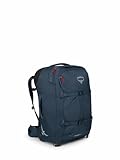
We highly recommend combo backpacks/wheeled luggage for Europe travel. Most of the time you will want to roll through your trip, but comfortable backpack straps are great for when you want to stay in the gothic center of a European city, like Barcelona.
The most experienced travellers know how to pare down to the essentials and travel light. For them, we recommend a carry-on-sized wheeled backpack. It’s what I personally use and has held up incredibly well over the years. It has smart features like the detachable daypack and useful pockets, making it my go-to travel piece.
After that see our general recommendations for minimalist travel packing, which are all quite relevant to train travel.
Trains+City Bikes in Europe: An Ultra-Efficient Travel Combo

An advantage of travelling light in many European cities is that you can hop onto the city bike-sharing program’s bikes that are generally in front of the train station, and for just a euro or two bike to your final destination. I’ve very much enjoyed doing this in a number of French cities. And at many train stations (in Amsterdam, for instance) it is also possible to rent bikes for the full length of your stay.
To do this you really must have a pack with straps, as mentioned above, and it helps if it’s not too big.
European city bike-sharing systems are intended for transport, not for joy-riding, and so are generally priced very cheaply for the first half hour or hour, but with a sharp increase in rates that makes it infeasible to use them for longer periods. But they’re great for simply getting from the train station to your hotel, hostel, or apartment. And you often pay for a day or week pass that allows you to continue to use the bikes for 30 minute periods throughout your stay to get around. Simply leave the bike locked into any bike station when you’ve finished your ride. It’s wise to download an app for each city’s bike program beforehand showing where the stations are, but generally they’re pretty ubiquitous.
Note that some cities (Barcelona comes to mind) do not allow tourists to use their city bike-share systems and to enforce this require residents to go through a sign-up process by mail.
Are European Trains Safe?
Yes. While there are some headline-grabbing train accidents each year, your chances of being hurt on on your train trips in Europe are exceedingly small. Europe has exceedingly low rates of fatalities (0.10 per billion passenger-kilometers) and 92% of injuries are of people outside of the train (suicides, graffiti artists horsing around in the train yard for example). It is far more dangerous to travel by car or bus.
One does have to take reasonable precautions to keep valuables always in sight and at hand, especially at train stations. But the odds of you as an individual encountering pickpocketing, theft, or serious problems are low.
Should You Book Your Hotel/Hostel/Apartment Near Train Stations?
It definitely depends on the city. The areas immediately next to many European city’s train stations are in some cases lovely and well located for exploring everywhere else, such as near Madrid’s Atocha station or Barcelona Sants. In other cases, like with Porto Campanhã, the station is not really that central. And in some cities, the train station environs can be a bit dodgy and unpleasant, like Gare du Nord in Paris (though there are lovely spots a few blocks away).
If you’re just staying for a night to sleep and then moving on, by all means run a broad hotel / apartment search for the best options right nearby. Otherwise, in some cases it may be more fun or interesting to search further afield, in areas close to the activities that you love (museums, music, etc.).
Ensure Medical Coverage Everywhere

Travel medical insurance may not be strictly required but it is a very wise thing to have; you need to ensure that you are actually covered for any medical issues in any of the European countries on your train itinerary. What you will face in any particular hospital depends on the country and on the particular hospital, but hospitals are wary of tourists without medical coverage. Once, when I helped a sick visiting friend in Barcelona with a medical issue, the hospital (in a very popular tourist area) had a person assigned to follow us around the hospital as we got tests to make sure that she didn’t run out on payment. It would seem that many travelers have come in underinsured and European hospitals want to make sure they are paid—and take greater steps to ensure this than in the past.
If you’re bouncing around Europe by train, you don’t necessarily need travel insurance—that is, coverage for trip cancelation or theft. Such policies tend to be costly and not actually offer much in my experience; they might be more worthwhile for nonrefundable and expensive package tours and resorts.
But everyone should consider travel medical insurance if they will not be covered by their home country medical insurance while abroad (and that’s most of us).
One plan that I’ve found very cost effective and useful for many of my European wanderings is SafetyWing (that’s an affiliate link—but note that I used them for years before I became an affiliate; my full review is here). SafetyWing has cover for just about anywhere worldwide and offers 24/7 support. Its Essential plan offers medical coverage for new health issues that befall you while on your trip, as well as some lost luggage and travel delay insurance. They can cover individual trips; they’re also particularly useful for ongoing, year-round nomadism or frequent travel (which other medical travel insurance companies are generally unprepared for).
European Train Travel — Languages and Phrases to Know
English is likely to be spoken to varying degrees by train and station staff in most countries, but your experience will always be more fun if you at least attempt to pick up some of the pleasantries, toasts, and jokes of the lands that you pass through.
I use italki to train in languages via Skype lessons both before travelling and while on the road; it’s possible to find people teaching even Europe’s most recherché languages like Neapolitan. Speaking just a bit of the more out-of-the-way languages goes a long way to making your train trip more fun and making fast friends of your fellow passengers.
European train travel is by far my favorite transport experience anywhere and anyhow in the world. There are gorgeous towns, mountains, cities and beaches; the rides are smooth and the people are varied and amusing. Congrats on choosing this part of the world and manner of getting around it — you won’t be disappointed.
Bon voyage!