Yes, you have choices…

Travel High Impact
Airplanes, Cruise Ships, & Tourism that Destroys Local Ecology and Economics
- Each hour of flight causes 100 times the global warming as a bus or train; added up, aviation on its own causes 4% of human-induced global warming. It is unsustainable as more people travel; taking a flight is one of the worst personal decisions you can make for the planet. If you do fly (the only feasible way to cross large world distances in many cases), try to reduce the number of trips and to really make the most of the area you do travel to. Also, some flights can be lower carbon than others; Kayak allows you to filter for lower carbon (though still impactful, don’t fool yourself) options. And choosing economy is better than business/first class because more people share the plane’s carbon footprint with tighter packing into seats.
- Cruise ships are even worse than air travel. According to one calculation, for example, a vacation on a cruise rather than a hotel plus flight means twice the personal CO2 footprint. And that doesn’t even include the flights that many take to get to the cruise ship, and the other disastrous impacts of cruise pollution.
- If you carry heavy bags (which we discourage) you’ll likely need to rely more on taxi rides or rental cars, and thus contribute more CO2, as well as to the clogging up of city streets and noise and air pollution at your destination. Yes, the Kayak search engine (or Momondo) allows you to filter for electric cars and compare offers from a variety of companies, and Uber, Bolt, and others offer electric vehicle options in some locales. These are far better than conventional gas-powered cars, but they still clog streets, are a danger to pedestrians and cyclists, use CO2 if charged in coal-burning regions, and have particulate emissions.
- If you act like a complete turd at your travel destination, you contribute to local resentment towards tourists. This can include disrespecting local environments and norms, buying products and services that negatively impact these, and littering. Much of this comes down to behaving as responsibly on the road as you would at home, though at times this means taking extra care for local sensibilities or sensitive environments.
Travel Low Impact
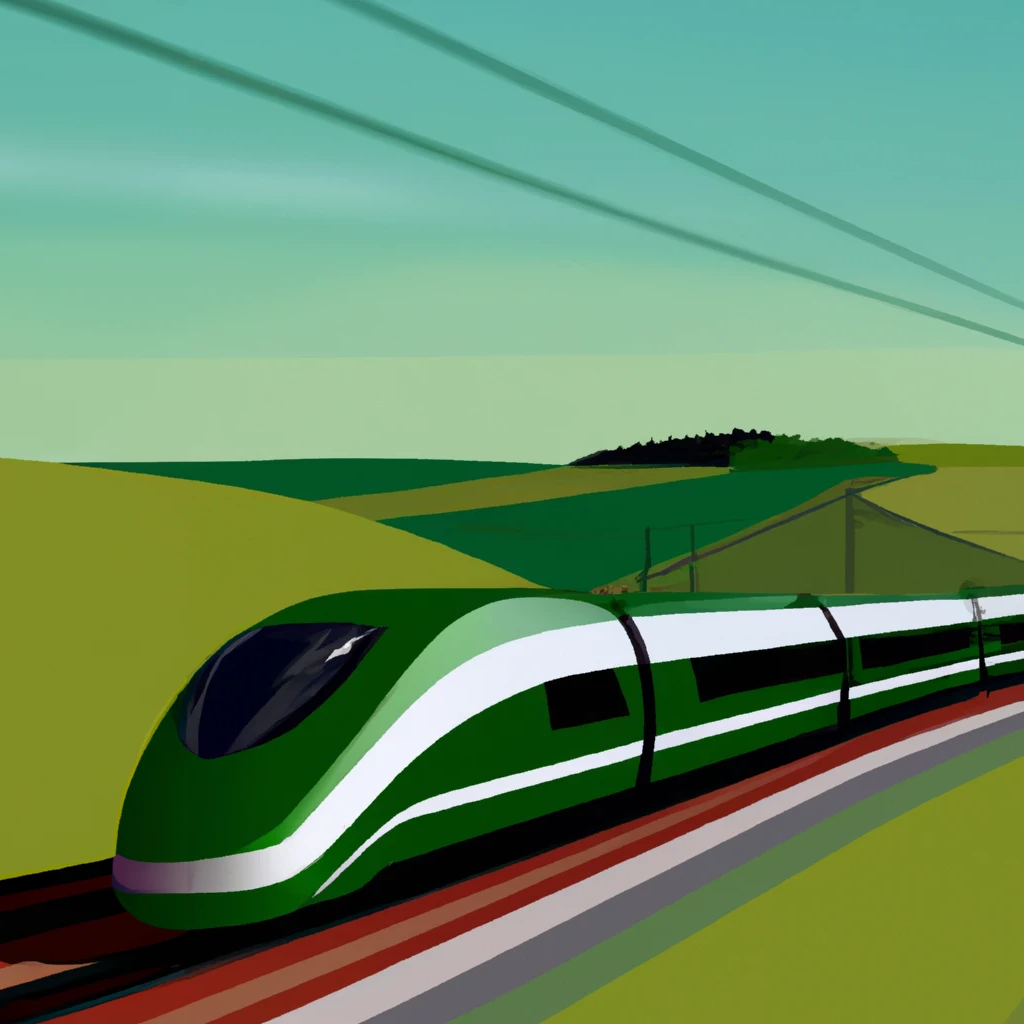
Trains, Buses, & Experiences that Support Communties and Environments

- Trains are more comfortable and far more ecological than flying; they also tend to deposit you directly in city centers, which saves significant time and expense. In Europe, our tests of the best websites for buying train tickets often result in us recommending Trainline for trip planning; it shows better and often cheaper routes than the national operators’ own sites, especially when crossing borders.

- Buses are often cheaper than trains and also a much lower carbon alternative to flying. They can also be slower and more uncomfortable than the other options—but not always. Buses can be surprisingly comfortable in Brazil and Latin America, for example. And in Eastern Europe they’re often more reliable. The best way to book buses in Europe and many others parts of the world is often once again Trainline, although BusBud is another great option to check, especially outside of Europe.

- Check for city bicycle programs in your destinations; if available to tourists these can be a great way to get around. It’s easiest to check the local website beforehand to see if it’s possible to make use of the program as a visitor. (This is impossible in Barcelona without a local address, for example—many tourists waste time trying to punch buttons in the kiosks’ machines. But it is, but very possible in most French cities.) Also, local bike shops often offer rentals, which is a great way to support small businesses while having less of a carbon footprint and a great way to get around and sitesee.

- Walking is a classic, low-carbon, beautiful way to experience most places and be in real contact with the people and the terrain. Know how to use your phone’s map app before you go—and to download the destination area into the map for offline use if needed.
- Yes, low impact travel gives you the right to flygskam others into also behaving a bit more appropriately in their travels. Social pressure and changed expectations of “normal” is about all that moves the needle in this fragile, failing world.
Our Articles About Trains and Other Lower Impact Forms of Transport

Your Guide Mose Hayward Wandering Kenya I recently took a break from bouncing around on European rail systems to take trip by train on Kenya Railways from Nairobi to Mombasa. My advice based on the experience is below, along with wisdom from the dozen or so Kenyans I spoke to who have taken this train…
Everything you need to know to get train tickets in Switzerland on SBB (in German: Schweizerische Bundesbahnen, or Swiss Federal Railways).
Read more… Trains in Switzerland: A Quick Guide to the Best Deals
Everything you need to know to get train tickets in Sweden on SJ, VR or Snälltåget.
Read more… Trains in Sweden: A Quick Guide to the Best Deals
Everything you need to know to get train tickets in Slovenia on SŽ (Slovenske železnice, in English: Slovenian Railways)
Read more… Trains in Slovenia: A Quick Guide to the Best Deals
Everything you need to know to get train tickets in Slovakia on ZSSK (Železničná spoločnosť Slovensko or The Railway Company of Slovakia), Leo Express or Regiojet .
Read more… Trains in Slovakia: A Quick Guide to the Best Deals
Get ready to ride the rails in Romania on the three operators serving the country: CFR (Căile Ferate Române) Călători, TFC (Transferoviar Călători), and Astra Trans Capatic.
Read more… Trains in Romania: A Quick Guide to the Best Deals
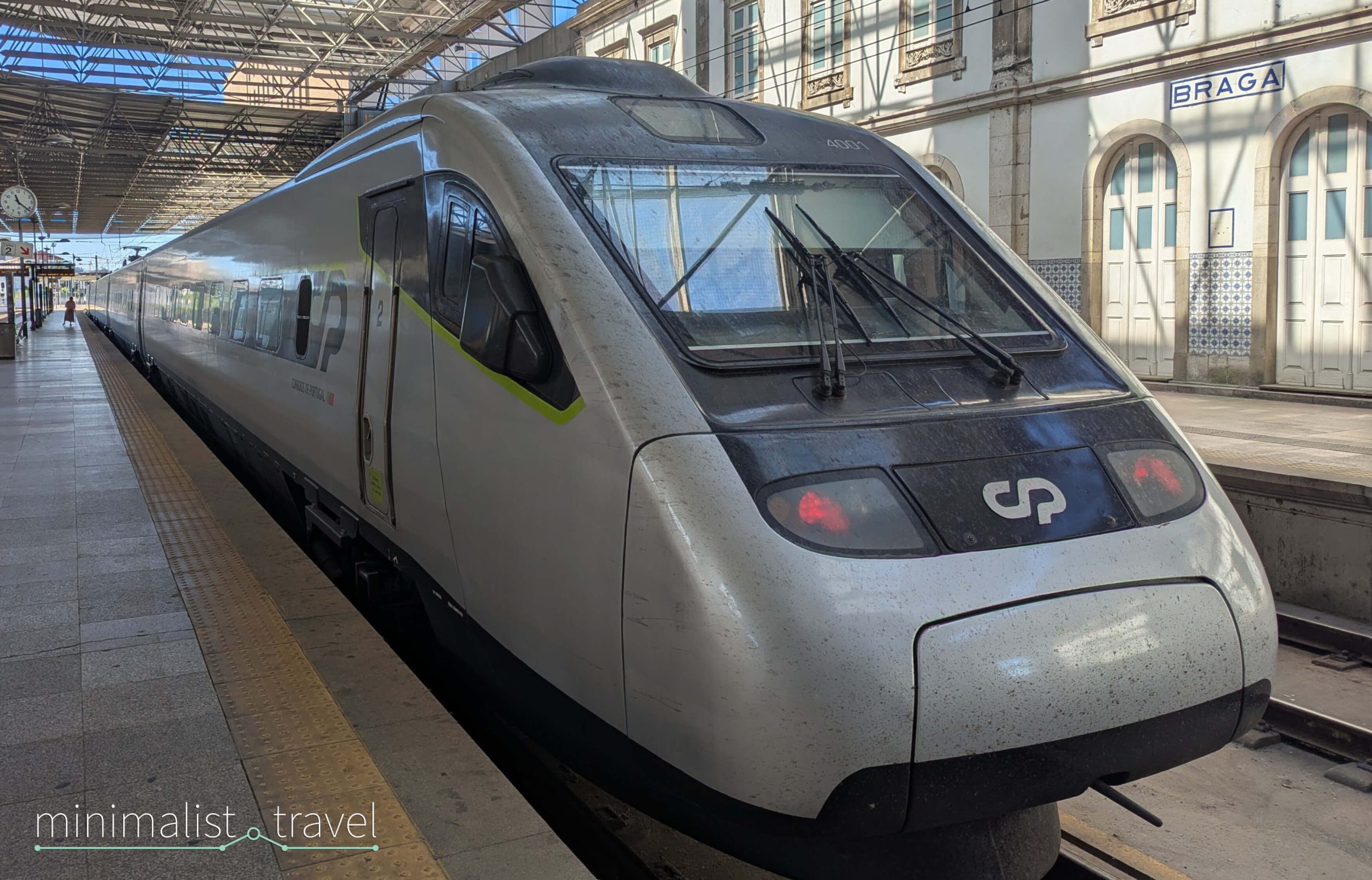
Everything you need to know to get train tickets in Portugal on Comboios de Portugal including Alfa Pendular and Urbano trains.
Read more… Trains in Portugal: A Quick Guide to the Best Deals
The basics for train ticketing in Poland on PKP Intercity and Polregio
Read more… Trains in Poland: A Quick Guide to the Best Deals
A guide to comparing ticket options on Norway’s three train operators: Vy, SJ Norway, and Go-Ahead Nordic.
Read more… Trains in Norway: A Quick Guide to the Best Deals
Everything you need to know to get train tickets in Netherlands on NS (Nederlandse Spoorwegen), Arriva, Eurostar, or European Sleeper.
Read more… Trains in Netherlands: A Quick Guide to the Best Deals
Everything you need to know to get train tickets in Luxembourg on CFL, or the Société Nationale des Chemins de Fer Luxembourgeois, that is, the Luxembourg National Railway Company.
Read more… Trains in Luxembourg: A Quick Guide to the Best Deals

Compare your options for train travel in Italy on Trenitalia and Italo and get the best and cheapest tickets
Everything you need to know to get train tickets in Hungary on MÁV (Hungarian State Railway, or, take a deep breath: Magyar Államvasutak Zártkörűen Működő Részvénytársaság).
Read more… Trains in Hungary: A Quick Guide to the Best Deals
The basics for train tickets in Greece on OSE, the Hellenic Railways Organisation
Read more… Trains in Greece: A Quick Guide to the Best Deals
A quick guide to trains in Finland on VR-Group Plc (or in Finnish: VR-Yhtymä Oyj)
Read more… Trains in Finland: A Quick Guide to the Best Deals
Hitting the rails in Denmark? Your options are Danish Railways (DSB) and, for certain routes, Snälltåget or Øresundståg. Here’s what to know.
Read more… Trains in Denmark: A Quick Guide to the Best Deals

There are a few options for train tickets in Czech Republic: České dráhy (Czech Railways, or ČD), Leo Express, Railjet, Regiojet or European Sleeper. Here’s how to compare them.
Read more… Trains in Czech Republic (Czechia): A Quick Guide to the Best Deals
A quick guide to trains (Hrvatske željeznice, or Croatian Railways) and ferries in Croatia, as well as Nightjet.
Read more… Trains in Croatia: A Quick Guide to the Best Deals
A quick guide to Bulgarian State Railways (Balgarski darzhavni zheleznitsi).
Read more… Trains in Bulgaria: A Quick Guide to the Best Deals
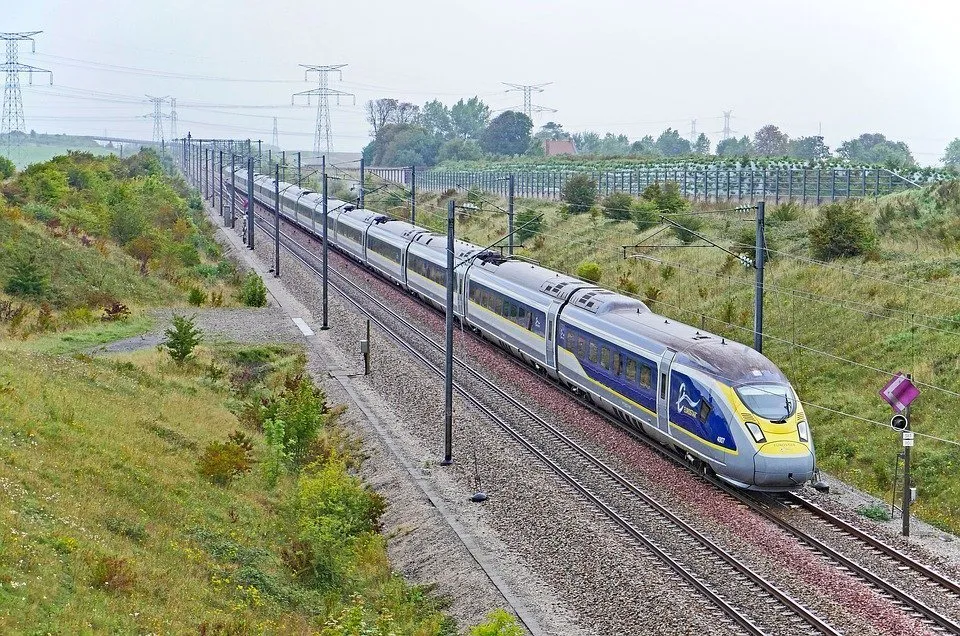
A quick guide to the National Railway Company of Belgium and other international services that come in and out of the country.
Read more… Trains in Belgium: A Quick Guide to the Best Deals
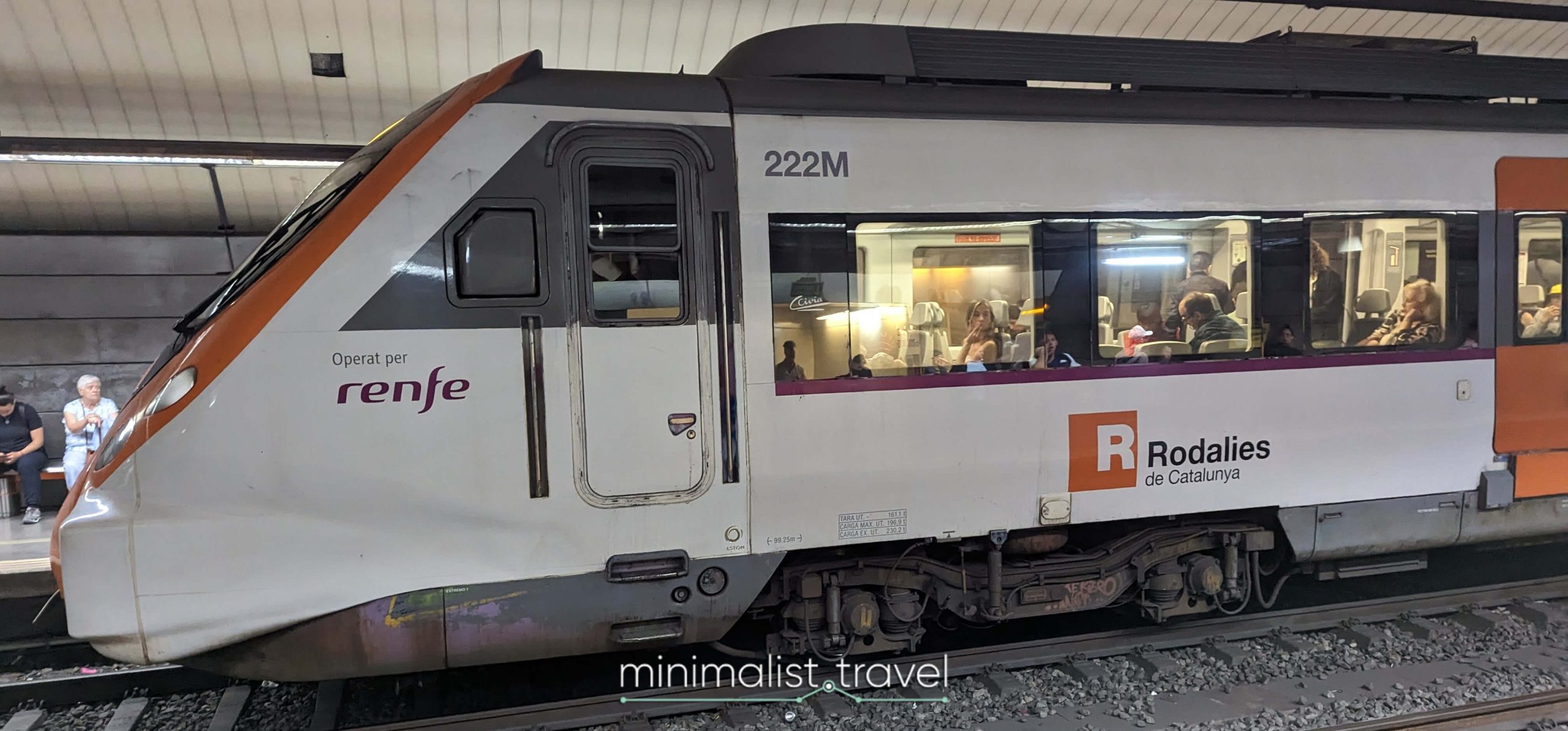
Catalan trains can take you around the country as well as into the equally great countries beyond; here are your options and the ways to get tickets.
Read more… Trains in Catalonia: A Quick Guide to the Best Deals
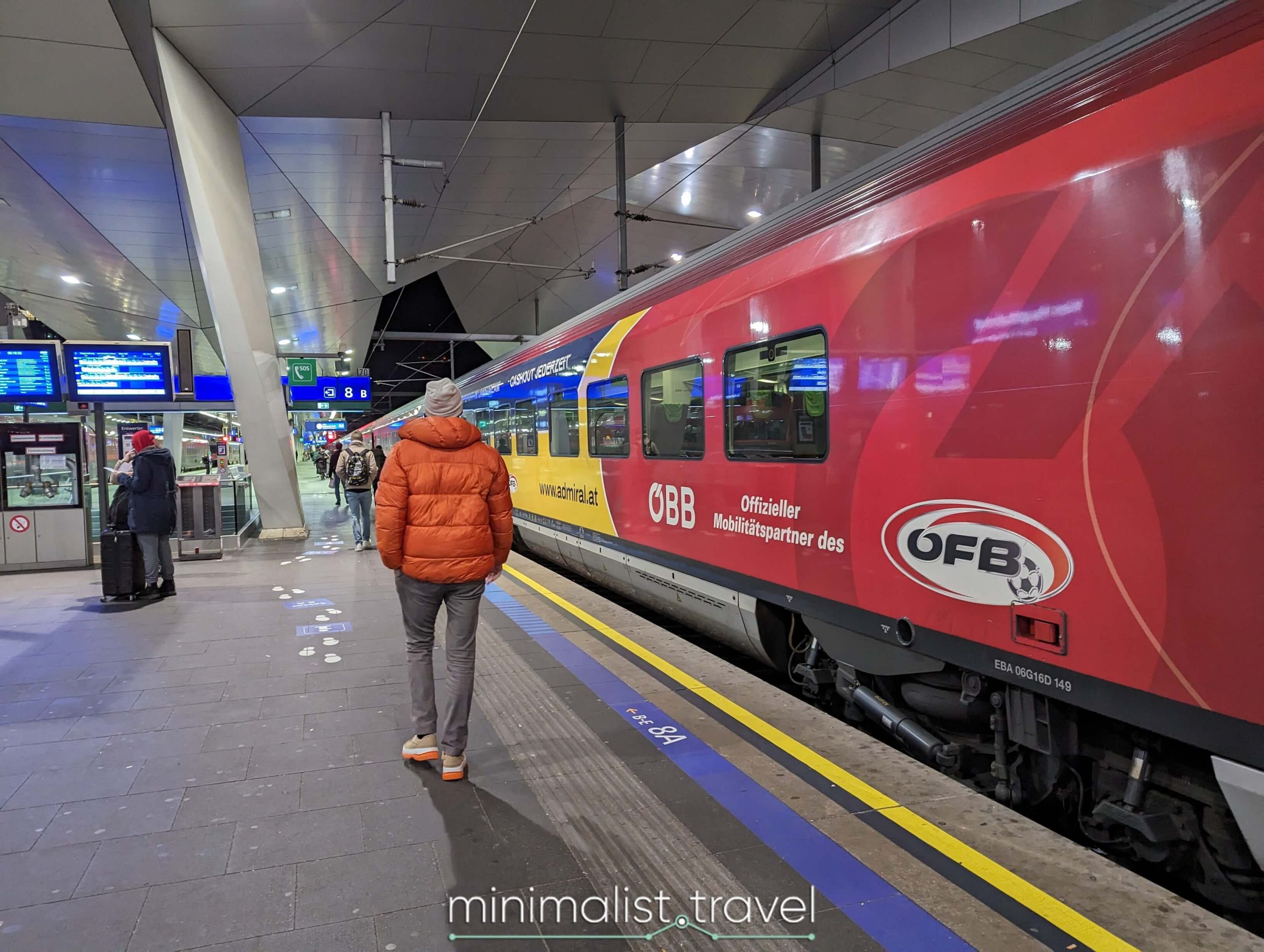
How to compare deals with the multiple Austrian train operators: ÖBB (Österreichische Bundesbahnen), Regiojet, Nightjet, and WESTbahn
Read more… Trains in Austria: A Quick Guide to the Best Deals
Advice (against) travelling on
Hekurudhë ë Shqipërisë, or HSH, the Albanian railways, and what to do instead, as well as links to our other Albania coverage
Read more… Trains in Albania: A Quick Guide to the Best Deals
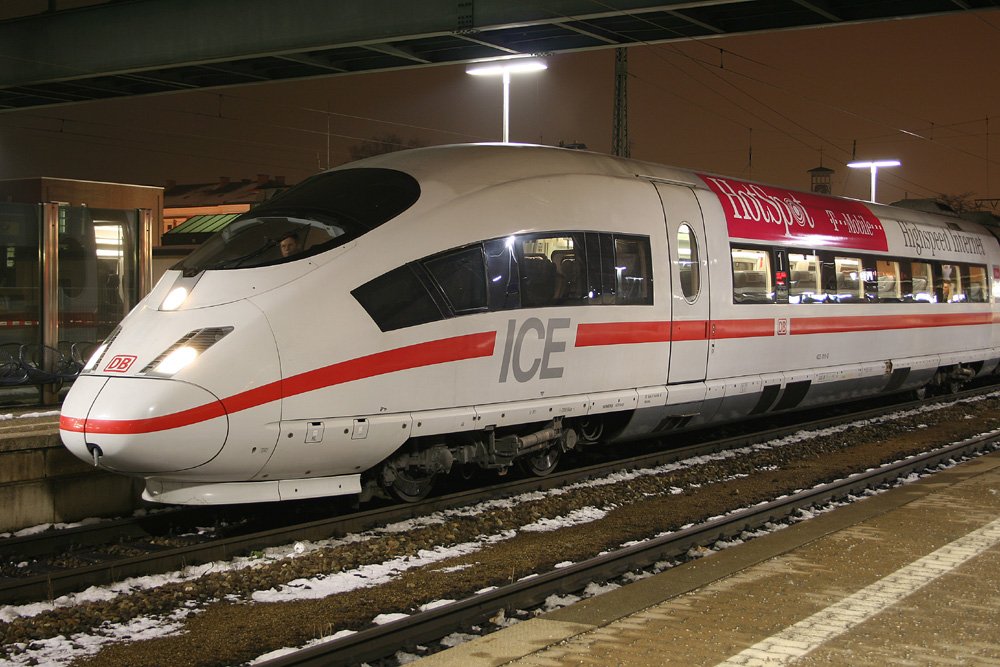
Where to find the best tickets on Deutsche Bahn, European Sleeper, FlixTrain, SJ, and Snälltåget; what to expect on trains in Germany; and links to our other German travel advice
Read more… Trains in Germany: A Quick Guide to the Best Deals
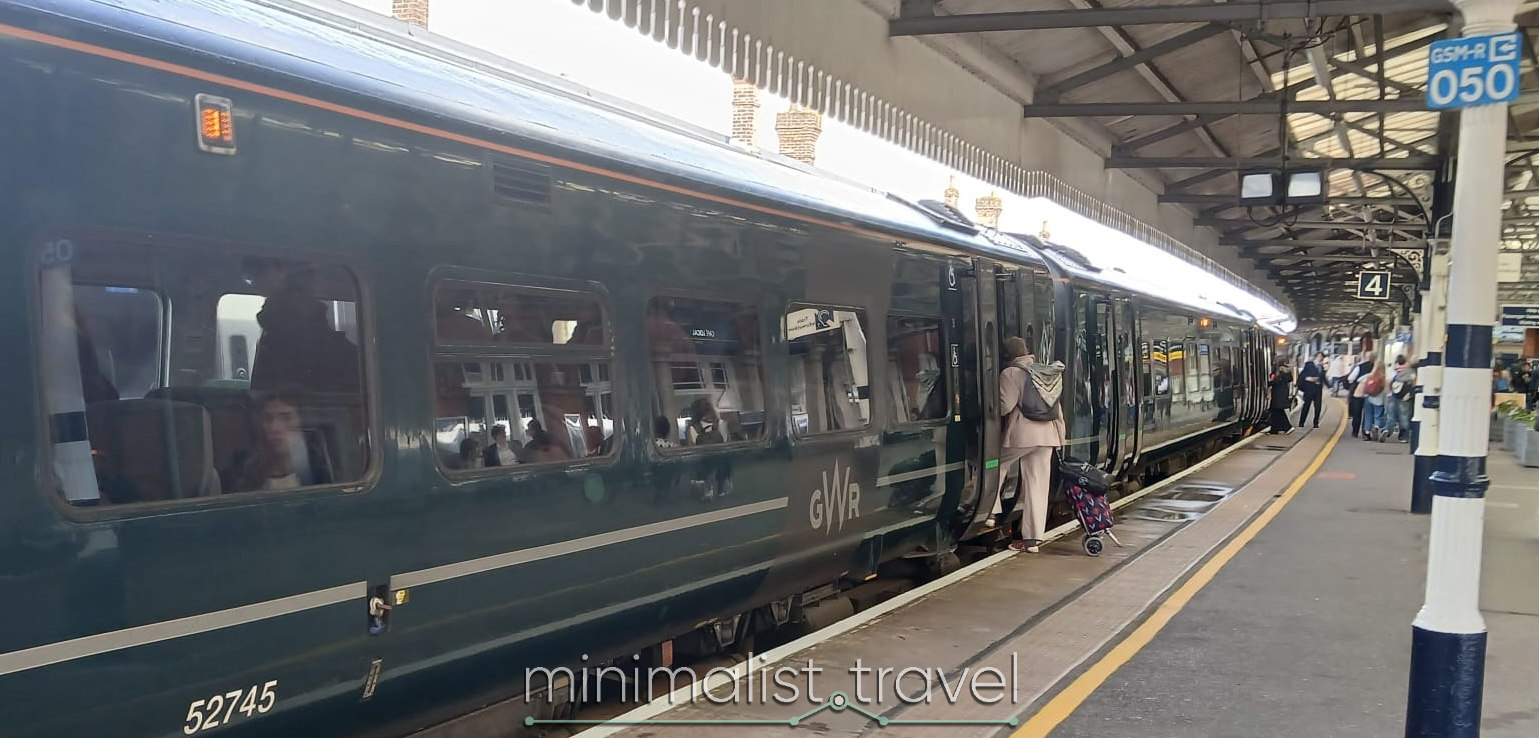
A complete guide to scoring the best prices, choosing seats, saving with split ticketing, and the experience of riding trains in England, Wales, and Scotland
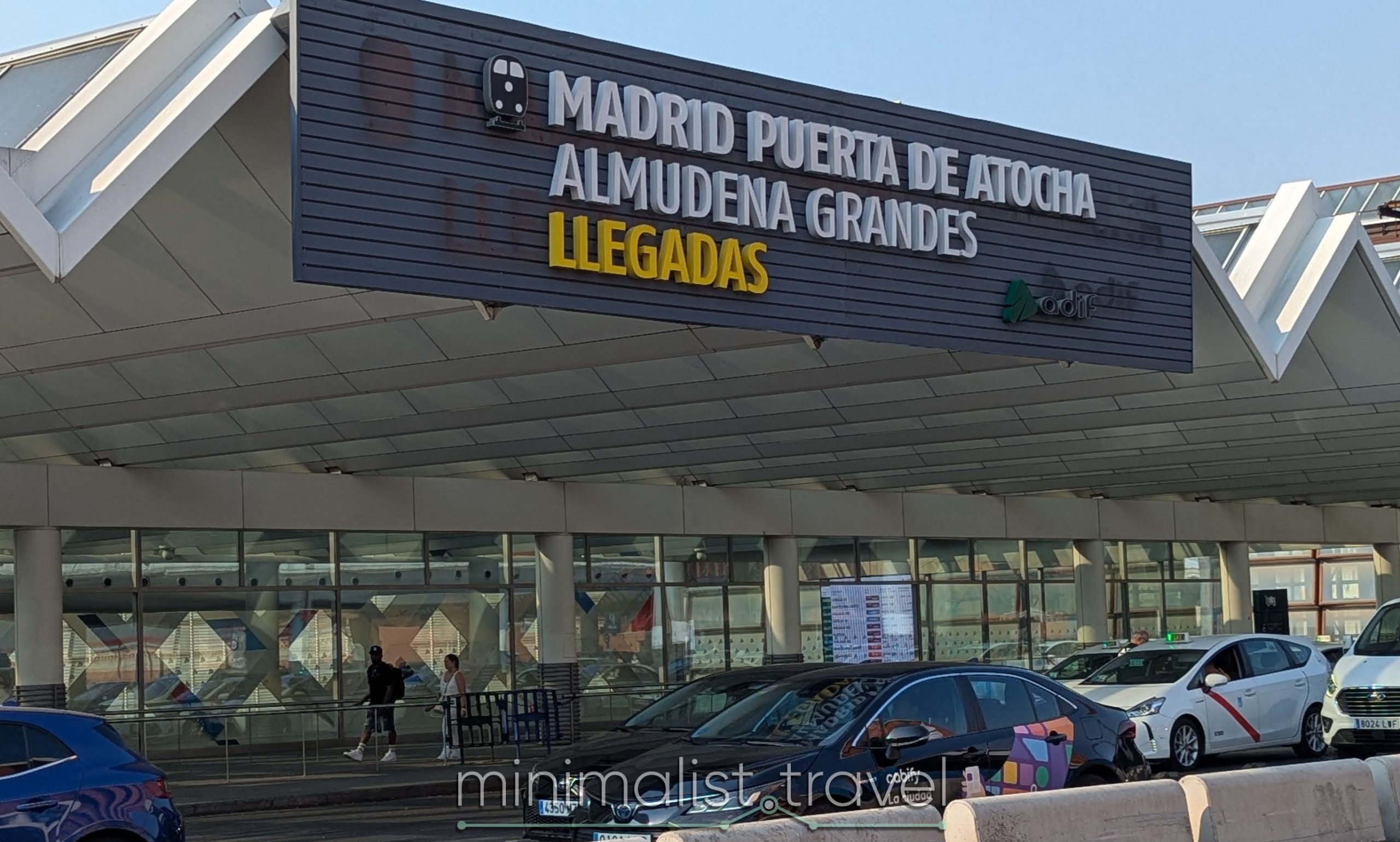
Everything you need to know to navigate the Atocha train complex—the busiest train hub in Spain—and where to stay nearby
Read more… Madrid Atocha Train Station—Our Complete Guide to Navigating and Staying Nearby

What to expect in Braga Train Station, as well as food and hotel recommendations nearby
Read more… Braga Train Station Guide: Staying and Traveling in the Braga Area
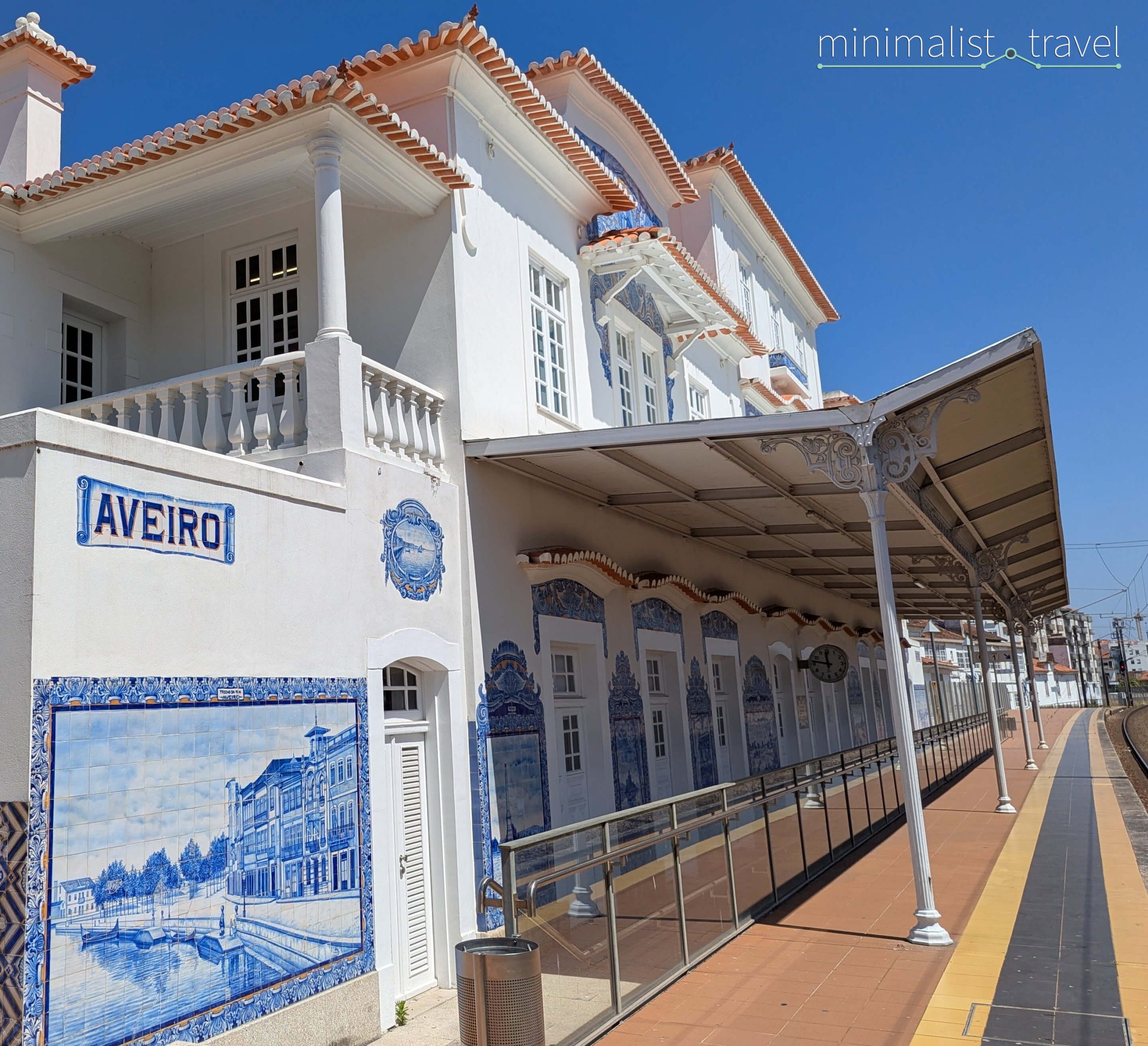
Key details about travelling to and from Aveiro by train and where to stay near the train station
Read more… Aveiro Train Station Guide: Getting Around and Staying Nearby

Everything you need to know for train travel to the center of Porto and its São Bento Train Station
Read more… The Complete Porto São Bento Train Station Guide—What to Know in Advance

A guide to Porto Campanhã Train Station and its services as well as how to transfer to Porto São Bento (more central) for free
Read more… Porto Campanhã Train Station Guide: Get Around, Connect Quickly, and Stay Nearby

How to ride with Spain’s various train operators, including Iryo, Ouigo, and the national operator Renfe (Ave, Avant, Avlo, etc.) as well as what to expect from the experiences
An overall guide to saving money on train tickets when travelling in Europe, including quick suggestions for each country
Read more… Hacks for Getting the Cheapest European Train Tickets

Your Guide Mose Hayward Travel Nerd Travelers make some mistaken assumptions about how to get around Europe. Many think that flights are always faster or long-distance buses are always cheapest. But, of course, it depends. Competition has opened up for buses, planes, and independent budget train companies. These offer new and better ways to get…

A complete review of Rail Europe as a train booking platform—what it’s good for and where it could be better
Read more… Our Rail Europe Review: A Good—But Not the Best—Platform for Train Tickets

A review of the train operator Iryo and our experiences riding around Spain and eating on board, as well as how it compares to other options

I’ve used Trainline for years to book train and bus tickets in Europe; here’s why I use it and what I wish was better.
Read more… Trainline Review: A Legit Money-Saver for Trains—But Not Always

Our extensive testing and review of Omio finds better options out there for most air, train, and bus travel booking.
Read more… Omio Has Problems—There Are Better Alternatives for Booking Travel

Here’s what to do if you have problems with the SBB website or booking train tickets in Switzerland in general.
Read more… How to Book Swiss Train Tickets — and Avoid Problems with the SBB Website

We tested the top three train booking platforms to find out which gave the best prices: Omio, Trainline, or Rail Europe?
Read more… Rail Europe vs Omio vs Trainline: Which Consistently Gets the Best Deals on Train Tickets

The schemes and strategies to find the cheapest train tickets in France, based on our years of travel here

Understand the basics of the French system and what you need to know while booking about train types, seating, etc.
Read more… How to Book French Train Tickets: A Guide to Painless Trip Prep

We checked a number of itineraries on SNCF Connect, Trainline, Omio, Rail Europe, and more to find the best routes and deals.
Read more… We Tested the Best Ways to Book Train Tickets in France—Here’s How to Save Money
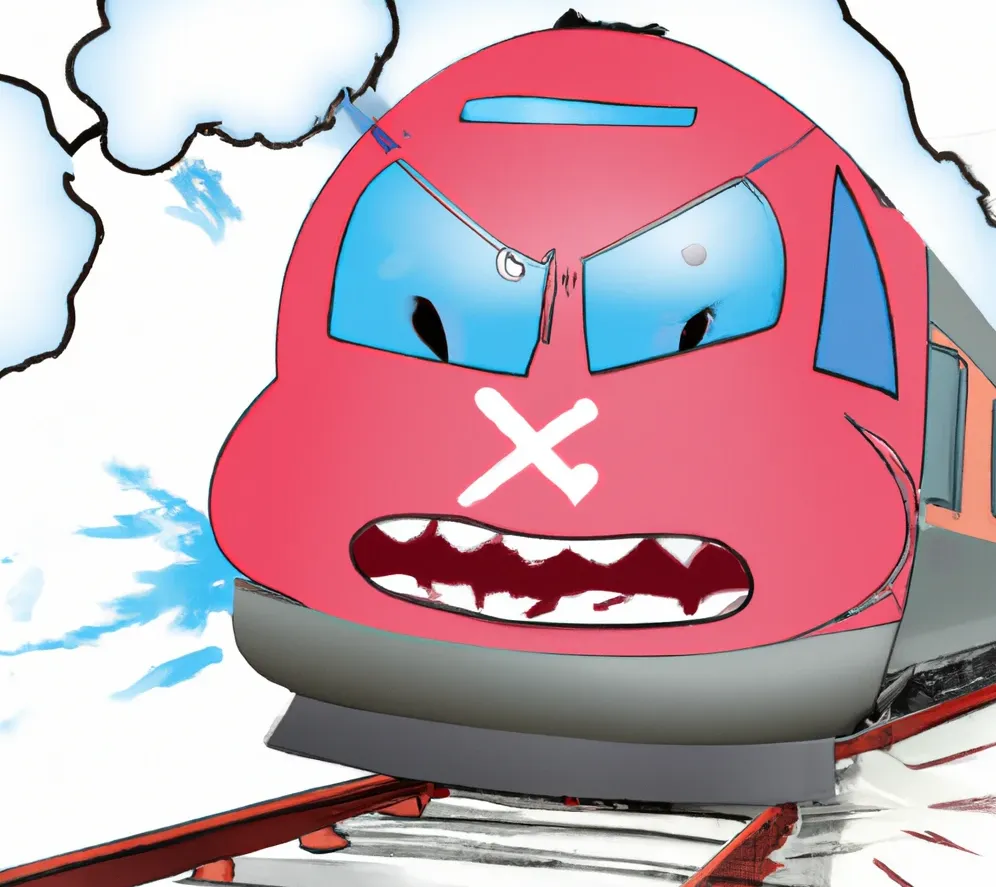
How likely are French trains to be on time? And what should you do if they are late? Our complete guide for passengers…

A guide to the various types of discount passes that can be purchased for European train systems so that you can get the best deals on frequent travel
Our testing showed that Interrail and Eurail simply don’t save any money compared to the other options now available, even for last-minute travel.
Read more… Is a Eurail / Interrail Pass Worth It Any More? Price Comparison Results

An Insider’s Guide to Barcelona Sants Train Station—from a Local Who’s Lived next to it for 15 Years
A complete guide to Barcelona Sants Station for taking long-distance and local trains, including ticket purchasing, security, restrooms, and more.

All about the train operators in Spain—Renfe Ave and Avlo, Iryo, and Ouigo—their differences, and how to get the cheapest or best trips

A review of Iryo based on our trips on this high-speed train service in Spain and tips for getting cheap tickets, riding, and how to pack
Read more… What Is Iryo? The Basics You Need to Know for Riding These High-Speed Trains in Spain

A review of Avlo and guide to getting the cheapest tickets, packing, and preparing for this high-speed budget option for Spain
Read more… Renfe’s Avlo Reviewed: Is This Cheap High Speed Train Worthwhile for Spain and Catalonia?

Our guide to the FlixTrain experience in Germany and Sweden and whether this money-saving option is worthwhile
Read more… FlixTrain: What to Know Before Taking this Cheap Rail Alternative in Germany

How to prepare for German trains, find the cheapest tickets and best routes, and what to expect
Read more… The Key Tips for Deutsche Bahn—And Getting Cheaper, Smoother Rides on German Trains

A complete review of Ouigo budget trains in Spain and France—how to get the cheapest tickets, deal with luggage restrictions, and prepare for the ride
Text by the disgustingly sweaty, obnoxiously opinionated human vagabond Mose Hayward. Illustrations by the human-electro hive mind Dall-E.